





 +41 22 880 28 88
 +33 1 41 69 88 88 (Paris)
 +352 26 20 25 53 88
 +971 55 303 5161
 +66 92 372 4680

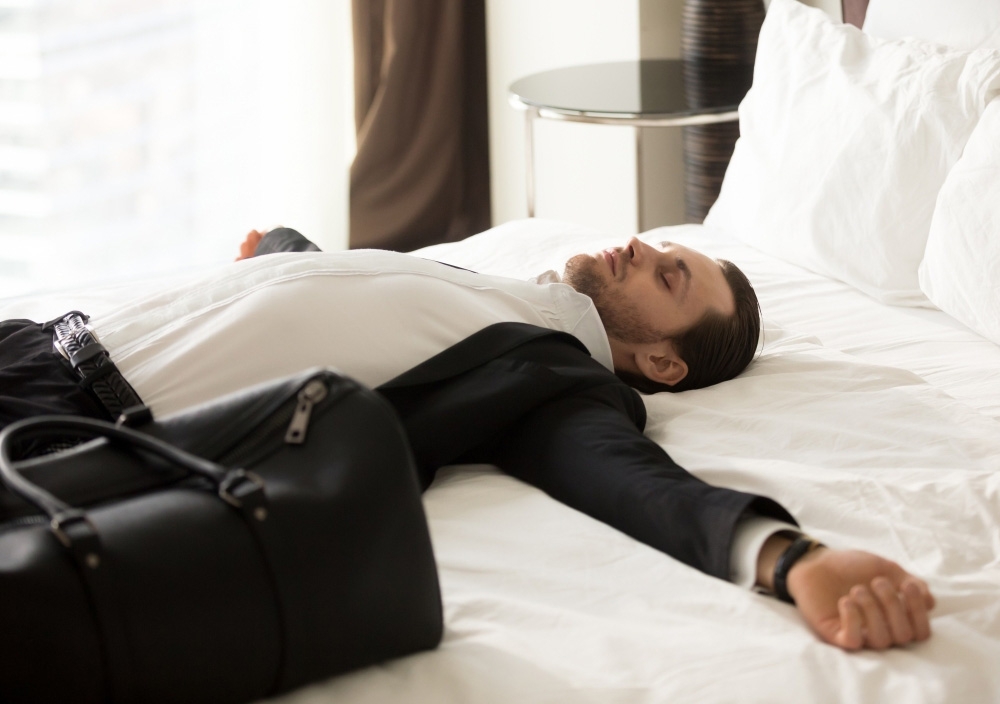
How to Overcome Jet Lag: Tips Before, During and After
What is jet lag, and why does direction matter?
Jet lag is a circadian rhythm sleep disorder: your 24-hour internal clock is still set to your origin and no longer matches the day and night of your destination. It usually appears after crossing two or three time zones or more, and brings disturbed sleep, daytime fatigue, reduced concentration, irritability and sometimes digestive discomfort. It does not occur on north-south flights that stay within the same time zone.
Direction matters. Travelling east is generally harder than travelling west, because your body adjusts more easily to a longer day than to a shorter one. Flying west lengthens your day (a phase delay), while flying east shortens it (a phase advance), and the human clock, which naturally runs slightly longer than 24 hours, copes better with delaying. As a rough guide, recovery takes about one day per time zone crossed.
| Direction | Effect on your day | Difficulty |
| Westward (e.g. Europe to the Americas) | day lengthened, phase delay | generally easier |
| Eastward (e.g. Europe to Asia) | day shortened, phase advance | generally harder |
Before the flight
Preparation begins a few days ahead. Gradually shift your sleep and meal times toward the destination, by about an hour a day: earlier when flying east, later when flying west. This gives your body clock a head start rather than asking it to jump all at once.
Above all, arrive rested. Cutting your sleep the night before, in the hope of sleeping better on board, is counterproductive: fatigue only deepens jet lag. Several planning apps, such as Timeshifter, build a personalised light and sleep schedule based on your route, and can be a useful guide for long crossings.
During the flight
Set your watch to the destination time as you board, and start living by it: sleep if it is night at your destination, stay awake if it is day. On a long crossing, a few hours of sleep aligned with the arrival time help the body begin its shift.
Stay hydrated, as cabins are dry. Go easy on alcohol, which disrupts sleep quality and adds to dehydration. Caffeine is not entirely off-limits: used during the day it can support alertness, but stop several hours before your destination bedtime, since its effect lingers.
After you land
Adopt the local schedule immediately, for meals as well as sleep, even if it feels early or late. Spend time outdoors: daylight is what resets the body clock fastest. If you need to nap, keep it short, under about thirty minutes, and well before your planned bedtime, so it does not push your night back. Favour lighter meals in the first day or two to ease any digestive upset.
Light exposure: the most powerful lever
Light is the strongest signal your body clock responds to, which is why timing it correctly matters more than any supplement. The principle is simple, and depends on the direction you flew.
| After flying | Seek light | Avoid light |
| Eastward | in the morning | bright light in the evening |
| Westward | in the afternoon and early evening | bright light in the early morning |
In short: after flying east, chase the morning sun; after flying west, favour afternoon and evening light. Getting this the wrong way round can shift your clock in the wrong direction, which is exactly why the timing is worth a moment's thought.
What about melatonin?
Melatonin is often mentioned for jet lag. Several reviews find that low doses can help, particularly on longer eastward trips, taken at bedtime at the destination. The evidence is mixed, however, and some authorities, including the UK's NHS, do not recommend it. Guidance, dosage and availability also vary from one country to another. If you are considering it, consult a healthcare professional first, and never take it for the first time in flight.
How private aviation makes it easier
A private jet does not cure jet lag, but it removes friction and gives you control over the levers that actually work. Flexible departure timing lets you choose a flight that lands you in daylight, which directly supports the light strategy. A quiet cabin, and flat-bed configurations on suitable aircraft, make it genuinely possible to sleep on the destination schedule in flight. And you set your own rhythm, meals, lighting and rest, from the moment you board rather than around a fixed timetable. For long crossings, you can review the long-range aircraft in our aircraft fleet, and read how we work on our private jet charter page. A destination such as the Maldives by private jet is a good example of a long-haul trip where these habits make a real difference.
Private jet charter with IBC Aviation:
Our teams advise you on the aircraft best suited to your itinerary and your needs, and help you plan a departure and arrival that ease the time difference. Available 24/7:
- France: +33 1 41 69 88 88
- Switzerland: +41 22 880 28 88
- Dubai: +971 55 303 5161
- Bangkok: +66 92 372 4680
- Email: contact@ibc-aviation.com
Frequently asked questions
How long does jet lag last?
As a rough guide, recovery takes about one day per time zone crossed, so a six-zone trip can take up to a week to clear fully. Individual recovery varies.
Is jet lag worse going east or west?
Generally worse going east. Most people adjust more easily to a longer day (flying west) than to a shorter one (flying east), which is why eastward trips tend to be harder.
How can I avoid jet lag on a long flight?
Shift your sleep toward the destination time before you leave, arrive rested, switch to destination time when you board, stay hydrated, and get correctly timed daylight after landing.
Does melatonin help with jet lag?
Some reviews suggest low-dose melatonin can help, especially on longer eastward trips, but the evidence is mixed and the NHS does not recommend it. Consult a healthcare professional, as guidance and availability vary by country.
Should I avoid caffeine and alcohol when flying?
Alcohol disrupts sleep and dehydrates, so it is best limited. Caffeine is not entirely off-limits: used during the day it can support alertness, but stop several hours before your destination bedtime.
What is the most effective way to reset my body clock?
Correctly timed light exposure. Seek morning light after flying east, and afternoon or early-evening light after flying west.