





 +41 22 880 28 88
 +33 1 41 69 88 88 (Paris)
 +352 26 20 25 53 88
 +971 55 303 5161
 +66 92 372 4680

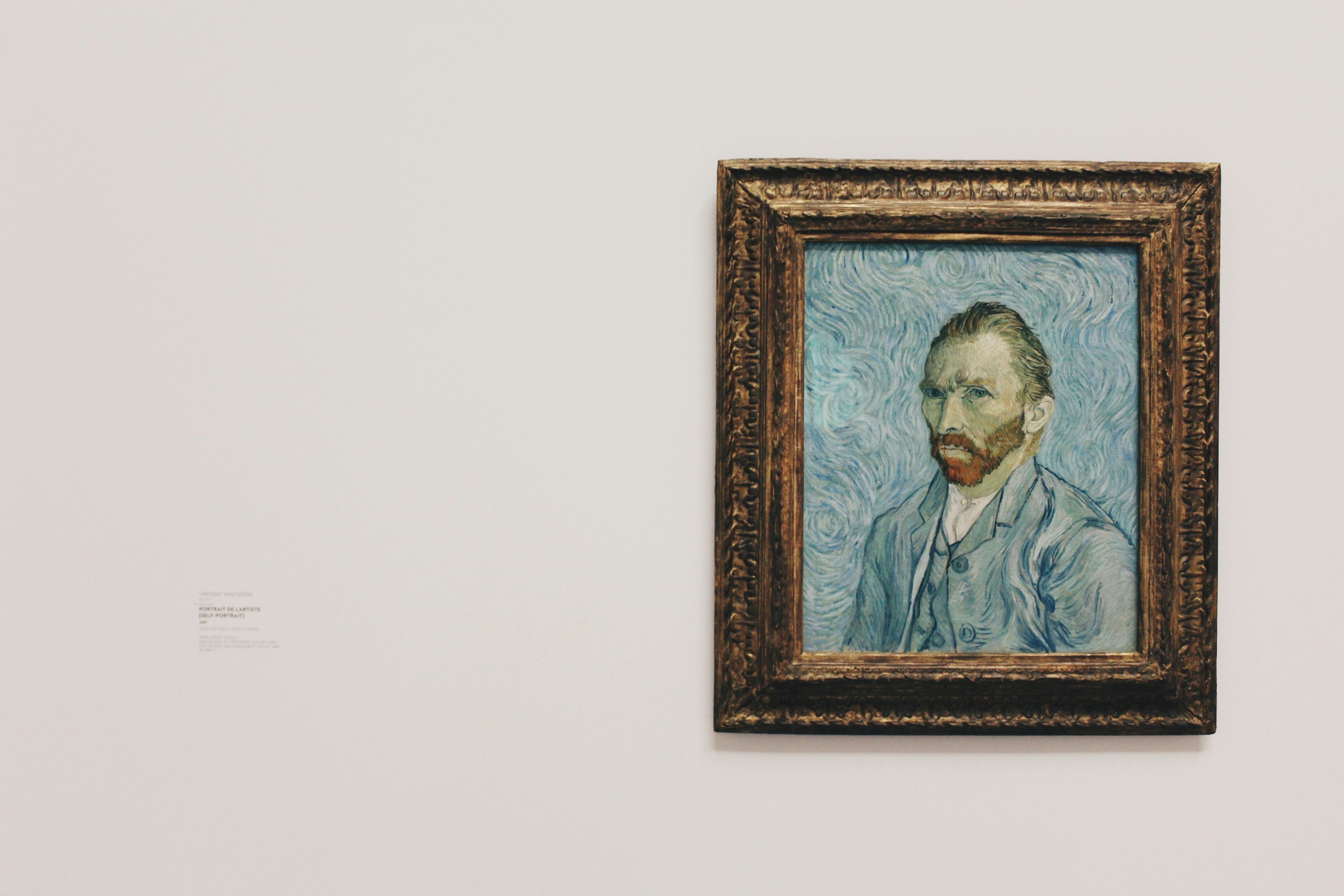
Flying an Artwork Home by Private Jet: Rules and Thresholds
The reflex that settles most cases: how old is the work?
French regulations sort cultural goods into 15 categories, each carrying cumulative thresholds of value and age. Cumulative: both conditions must be met before an authorisation becomes due.
The consequence is clear-cut. A canvas by a living artist, a contemporary sculpture, a recent photograph: under 50 years old, therefore outside the national regime, even at seven figures. That covers virtually every acquisition made at contemporary art fairs. Conversely, an old master painting, a period drawing or an archaeological piece calls for review before departure.
The French thresholds, category by category
For goods over 50 years old, these are the values at which an export certificate becomes necessary to leave French territory. The thresholds were raised on 1 January 2021.
| Category | Age | Value threshold |
| Paintings | over 50 years | 300,000 € |
| Statuary and sculpture | over 50 years | 100,000 € |
| Watercolours, gouaches and pastels | over 50 years | 50,000 € |
| Drawings | over 50 years | 30,000 € |
| Photographs, film and negatives | over 50 years | 25,000 € |
| Engravings, prints, lithographs, posters | over 50 years | 20,000 € |
Source: French Ministry of Culture, information note for applicants for cultural goods export authorisations. All 15 categories are set out on the ministry's cultural goods circulation portal.
Leaving the European Union: a second desk
The certificate authorises departure from French territory. To leave the European customs territory, an EU export licence is required on top, issued in harmonised form by every member state.
Two points deserve your attention. First, since Brexit that licence applies to shipments to the United Kingdom: a Paris purchase carried home to London now falls under the formality. Second, EU thresholds were not raised in 2021, unlike the French ones: a work may therefore need a European licence without needing a national certificate. That is the classic trap, and it affects ten of the fifteen categories.
Customs procedures are set out on the French customs authority portal.
National treasures never leave permanently
A work classified as a national treasure cannot leave France permanently. Only a temporary exit authorisation, granted exceptionally for an exhibition, an appraisal, a restoration or a deposit, allows it to travel, with a duty to return. That status follows a state decision: it is checked before the sale, never the night before the flight.
Works arriving from abroad: temporary admission
The reverse situation is common at fairs: a foreign gallery brings pieces in to exhibit them. Placed under the temporary admission regime, goods from a third country remain exempt from national authorisation when they leave again, so long as they stay under that regime, within a limit extended to two years since 2021. The ATA carnet, an international customs document, commonly underpins such movements.
On board: what a private jet actually changes
The gain is not only time. On a private flight the work travels in the cabin, with you, with no transfer of custody and no handling by third parties: it leaves the gallery and reaches your home under the same watch, in a space pressurised and temperature-controlled like the passengers' own. For a fragile object, or one sensitive to variation, the gap with a commercial hold is considerable.
Physical constraints remain real. Cabin door dimensions limit large formats, securing arrangements must be validated, and the packing, rigid crate or roll, is decided with a specialist shipper rather than the night before. Insurance is best written nail to nail, from the moment the work comes off the wall to the moment it goes back on one. Our teams coordinate shipper, operator and crew so these points are settled before loading, exactly as we do for any outsized baggage.
What we take care of
We replace neither your gallery nor your customs broker: we make sure the aircraft is never the weak link. Confirming the chosen aircraft accepts the object, coordinating customs formalities at both departure and arrival, connecting you with fine art shippers if you have none, and timing the flight to the fair's calendar rather than the other way round. Our concierge team keeps every party talking to the others.
One word of caution: this article describes a regulatory framework that evolves, and is not legal advice. Current thresholds should be checked on the official portals cited, and your gallery or adviser remains the owner of the file.
IBC Aviation Private Jet Charter:
Our teams advise you on the private jet best suited to your itinerary and requirements, and arrange your journey to or from your destination. Available 24/7:
- France: +33 1 41 69 88 88
- Switzerland: +41 22 880 28 88
- Dubai: +971 55 303 5161
- Bangkok: +66 92 372 4680
- Email: contact@ibc-aviation.com
Frequently asked questions
Do you need an authorisation to take an artwork out of France?
Only if the work crosses both an age and a value threshold. For paintings, it must be over 50 years old and worth more than 300,000 € before an export certificate becomes due. Under 50 years old, no national authorisation applies, whatever the value.
Is contemporary art affected?
Almost never by the national regime: age thresholds bite only on goods over 50 years old. A piece by a living artist bought at a fair therefore leaves French territory freely, subject to ordinary customs and tax formalities.
What about a purchase carried to the United Kingdom?
Since Brexit the United Kingdom sits outside the EU customs territory: a European export licence may be required depending on the category, age and value of the item, even where the national certificate is not.
Does the artwork travel in the cabin?
That is the norm on a private flight, within cabin door dimensions and securing rules. The object stays under your watch from departure to arrival, with no third-party handling and no transfer of custody.
Can the flight be arranged the day before a fair?
The flight, often. The file for a work subject to authorisation, no: certificate, licence and packing are prepared ahead. Tell us as soon as an acquisition is on the table.