



 +41 22 880 28 88
 +33 1 41 69 88 88 (Paris)
 +352 26 20 25 53 88
 +971 55 303 5161
 +66 92 372 4680


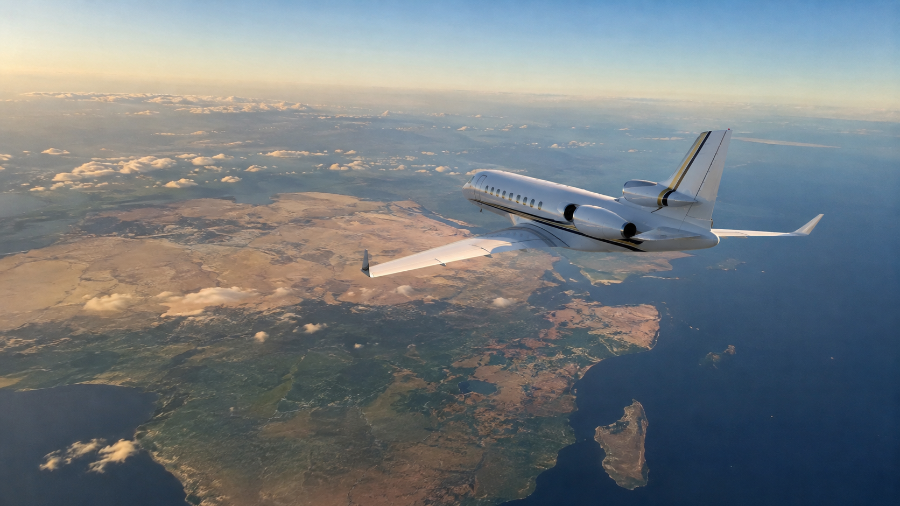
DRC Mining Charter, Lubumbashi and Kolwezi
Plan the site visit before choosing the airport
A mining charter to or from the DRC should follow the exact site address and the available visiting hours, confirmed with the host. Lubumbashi and Kolwezi serve different programmes; Kinshasa may add international entry or meetings in the capital. Kinshasa-Lubumbashi takes around 2 hours by private jet, with the estimate subject to the aircraft and weather along the approved route.
Our Geneva office, working with Paris where appropriate, assesses entry arrangements, regional flights and the final transfer. Request a proposal for your DRC mining visit with your intended sequence of meetings.
Which airport fits your delegation’s itinerary?
The decision separates international arrival from the airport nearest the meetings. France Diplomatie identifies N'Djili and Lubumbashi among the DRC’s main entry points. That list alone does not determine what can operate into Kolwezi. We assess the services and permissions needed for the proposed flight with the operator.
| Airport considered | Role in the itinerary | What needs confirmation |
| Kinshasa N'Djili, FZAA | International entry and meetings in the capital | Connection allowance and transfers to meetings |
| Lubumbashi, FZQA | International arrival or a regional visit stage | Entry processing and arrangements for the next leg |
| Kolwezi, FZQM | A possible stage depending on the site | Operating conditions, reception and services for the particular mission |
The identifiers appear in the ICAO publication presented in June 2023. They identify the airports rather than certify current capability. Our Kinshasa airport page covers an arrival through the capital. The Geneva charter office then brings together the requirements for your specific flights.
Kolwezi is a city, not a mine reception point
The Kamoa complex’s licence area lies approximately 25 km from Kolwezi, according to the location section of Kamoa Copper’s operations page, checked on 22 October 2026. This is not an airport-to-site distance or a driving time. It explains why a city name is insufficient for planning the final transfer.
Ask your host for the actual meeting point, access arrangements, permitted equipment and the vehicle expected. We connect those details with the flying programme. For several sites, settle the order before selecting the aircraft: changing a visit can shift a departure or introduce an additional overnight stay. The host’s availability belongs in the schedule from the start.
Any private airstrip suggested by the host needs its own assessment. Current data and permission to use it must support the operator’s acceptance. Seeing a strip on a map does not establish that a charter can land beside the site. We examine the ground transfer when that is the workable option.
Coordinate the delegation with IBC Aviation
Our Geneva office coordinates the delegation’s file, with Paris involved according to the journey’s origin. We need the passenger details and nationalities for each leg, with luggage and equipment listed separately. A 2-day programme calls for a different arrangement from several visits with the aircraft returning to the same hotel base each evening.
We compare keeping the aircraft nearby with arranging separate sectors and specify what each offer includes. Airport assistance and the host need a compatible schedule, especially for access to the site. Send your site sequence and passenger details so the whole mission can be assessed together.
The planning principles for a multi-stop business charter also apply to investment visits. A larger delegation needs its actual seating and luggage requirements checked rather than an aircraft chosen from its advertised seat count.
Account for the hour between Kinshasa and Lubumbashi
Kinshasa uses UTC+1 and Lubumbashi UTC+2, as recorded by the US International Trade Administration in its DRC business travel guidance dated 20 February 2026. The itinerary therefore states local time at each stop. We align those times with site reception, hotel arrangements and the airport schedule.
Allow for document checks and road travel as well. Flying time does not represent the available interval between meetings. We build the return around a realistic finishing window and the operator’s confirmed crew duty limits. Extending a visit can affect more than the requested take-off time.
Keep passenger entry separate from flight and site permissions
The mission involves 3 distinct files: passenger entry, aviation permissions, then site access. One cannot replace another. The official DRC Civil Aviation Authority website provides a separate overflight and landing procedure. We coordinate that work with the operator rather than treating a business invitation as permission for the flight.
For French passport holders, France Diplomatie’s entry guidance states that a visa and a passport valid for at least 6 months on entry are required. Consular and health documents must be checked for each traveller’s circumstances. We assemble the information with the traveller and host without promising a visa issue date.
We check site documents with the host company. Any permissions for movement also need confirmation from the competent authorities. The phrase “mining area” does not establish one universal requirement. Our explanation of landing permissions in Africa describes why these processes need individual attention.
Match the aircraft and budget to the whole mission
Light jets start from €4,000 per flight hour, with heavy jets from €6,500 per flight hour. These category benchmarks are not a mining charter package price. The quote reflects the arrangement selected, including positioning, local charges and any time the aircraft remains committed to your programme.
A Phenom 300 illustrates a regional jet category; a Falcon 2000 represents a larger cabin to assess for a longer itinerary. Neither example establishes local availability or acceptance of a particular runway. We compare aircraft that are actually proposed for the planned sectors, with luggage and seating checked against the real configuration.
Ask our Geneva office to prepare a complete proposal for your site visits using the full programme.
Private jet charter with IBC Aviation:
Our teams advise you on the private jet best suited to your itinerary and requirements, and organise your trip to or from your destination. Available 24/7:
- France: +33 1 41 69 88 88
- Switzerland: +41 22 880 28 88
- Dubai: +971 55 303 5161
- Bangkok: +66 92 372 4680
- Email: contact@ibc-aviation.com
Frequently asked questions
How much does a charter for DRC mining visits cost?
The budget follows the sectors required and the passengers travelling, alongside the time committed by the aircraft. A light jet starts from €4,000 per flight hour as category guidance. Our quote sets out positioning, local charges and the selected programme rather than deriving a package price from flying time alone.
How long is the Kinshasa-Lubumbashi flight?
Allow around 2 hours by private jet between Kinshasa and Lubumbashi, depending on aircraft, winds and routing. This estimate excludes connections and transfers. The cities are one hour apart in local time. We show the local times clearly in the itinerary to keep flight and meeting arrangements aligned.
Should we use Lubumbashi or Kolwezi for the visit?
The choice follows the exact site, programme and flight requirements. Lubumbashi can be an international entry or regional stage. An arrival at Kolwezi needs its own assessment of operating conditions and required services. We compare arrangements with the host without assuming that every airfield offers the same customs processing.
Is an invitation from the mine enough to travel?
The invitation concerns the professional visit and replaces neither travellers’ entry documents nor aviation permissions. We check those files separately with the operator and host company. Site access and any permissions for movement are assessed for the particular mission, rather than inferred from a universal rule for mining areas.
Can the aircraft land on a private strip at the site?
That requires a specific assessment and cannot be promised from a map. The host must confirm access and supply available airfield information. The operator reviews current data, performance and permissions before accepting a landing. Where that cannot be confirmed, we plan access from the airport selected for the mission.